



Lett'uce Garden
  • HOME
  • PRODUCTS
  • ABOUT US
0
Home / All Products / Stonehead Blue Cabbage

Stonehead Blue Cabbage

Stonehead Blue Cabbage

PLANT TO HARVEST

80-180 days

FRUIT SIZE

12-14″
Full Sun: 6+ Hours Per Day

TOP CULINARY USES:

Cole slaw
Stonehead Blue Cabbage

Stonehead Blue Cabbage

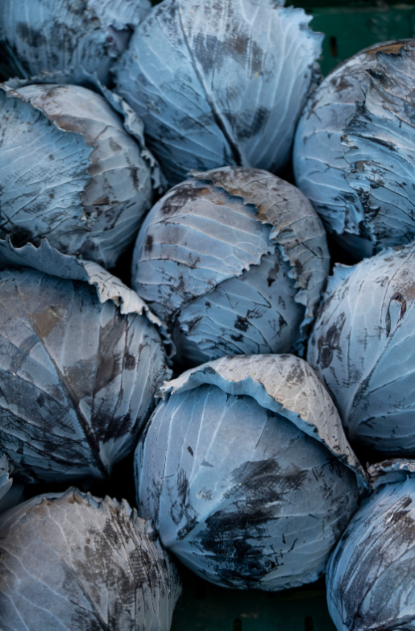
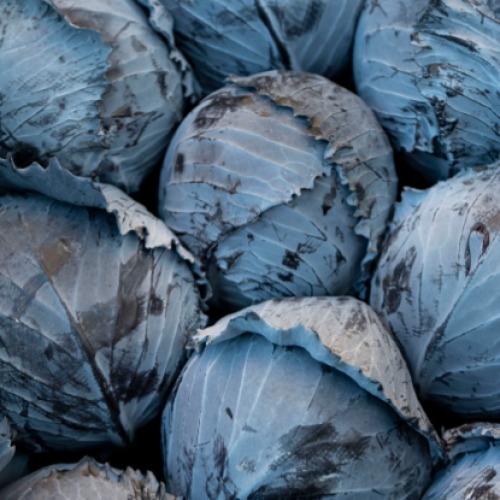
An early, medium-headed variety with tip burn tolerance. Compact plant with gray-green head color. 

PLANT TO HARVEST

80-180 days

FRUIT SIZE

12-14″
Full Sun: 6+ Hours Per Day

TOP CULINARY USES:

Cole slaw

3 Steps to Planting!

1

Gently place plant insider and pack soil with a small mound.
2

Place tablespoon of herb/veg fertilizer.

3

Gently place plant insider and pack soil with a small mound.
What must I do for Success?

All the Details

  • Difficulty
    Low difficulty
  • Timing
  • Starting
  • Days to Maturity
    80-180 days
  • Growing
    Cabbage does best in humus-rich soil amended with composted manure. Mix ½ cup complete organic fertilizer into the soil beneath each transplant. If growth slows, side dress with a little more balanced organic fertilizer. Heads of early varieties can split from over-maturity, rapid growth after heavy rain, or irrigation after dry spells. Splits can be delayed by twisting the plant or cultivating deeply next to plants in order to break roots and slow growth. Fall and winter varieties stand in the garden longer without splitting. If direct sown, add 20-25 days to the maturity date.
  • Harvest
    Cabbage heads are ready when they’re firm to the touch, and when the interior is fairly dense. Heads will split when they’re allowed to overly mature. Rapid growth due to excess watering and fertility will also cause splitting of the head. Plant early, mid-season and late varieties to spread out your harvest. Late varieties tend to be better for storage or for making sauerkraut. Early (summer harvest) varieties tend not to store as well.
  • Diseases & Pests
  • Culinary Use
    Cole slaw
  • Other
  • Companion Planting
    All Brassicas benefit from chamomile, dill, mint, rosemary, and sage. Avoid planting near eggplants, peppers, potatoes, or tomatoes. These plants in the Solanum group thrive in slightly acidic soil, as does the fungus that causes clubroot.

Related Products

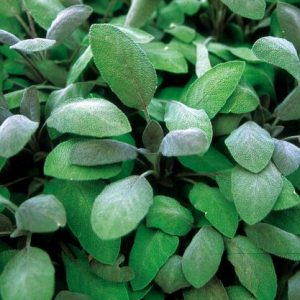
  • Purple Sage
    All Products, Herbs

    Purple Sage

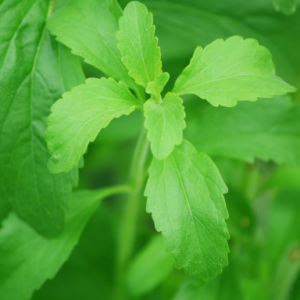
  • Stevia
    All Products, Herbs

    Stevia

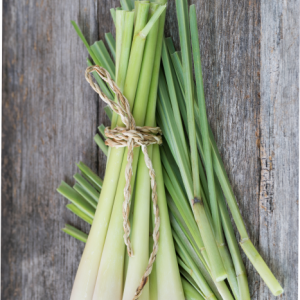
  • Lemon Grass
    All Products, Herbs

    Lemon Grass

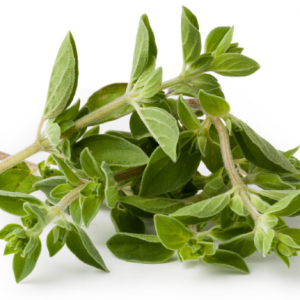
  • Common Oregano
    All Products, Herbs

    Common Oregano

© 2026 LETT'UCE GARDEN
  • HOME
  • PRODUCTS
  • ABOUT US